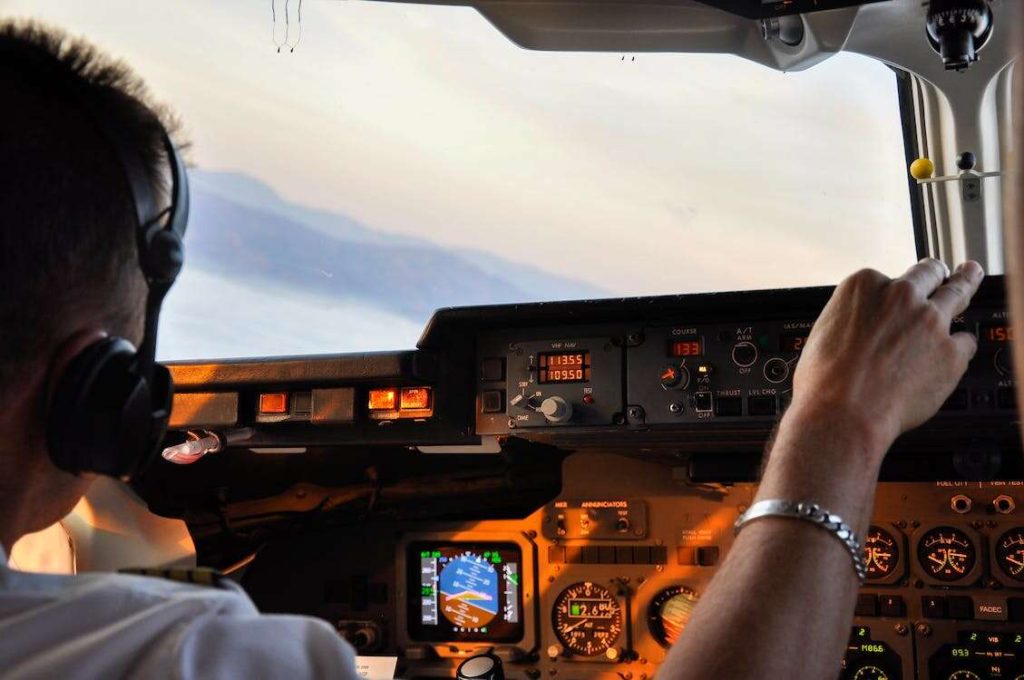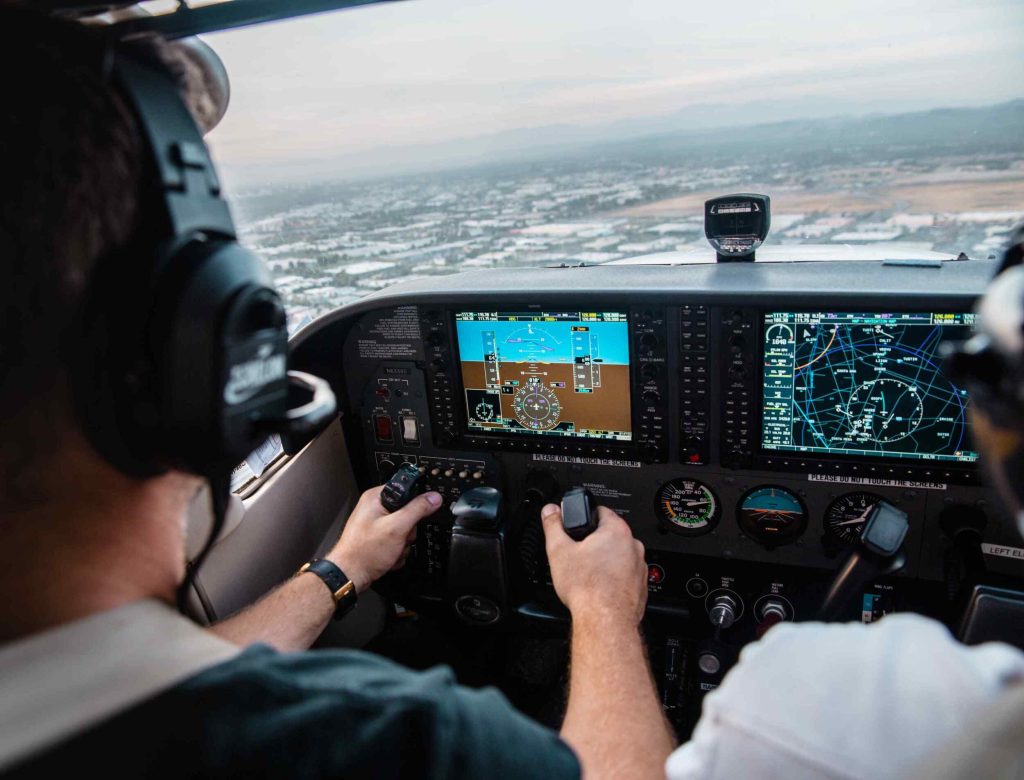

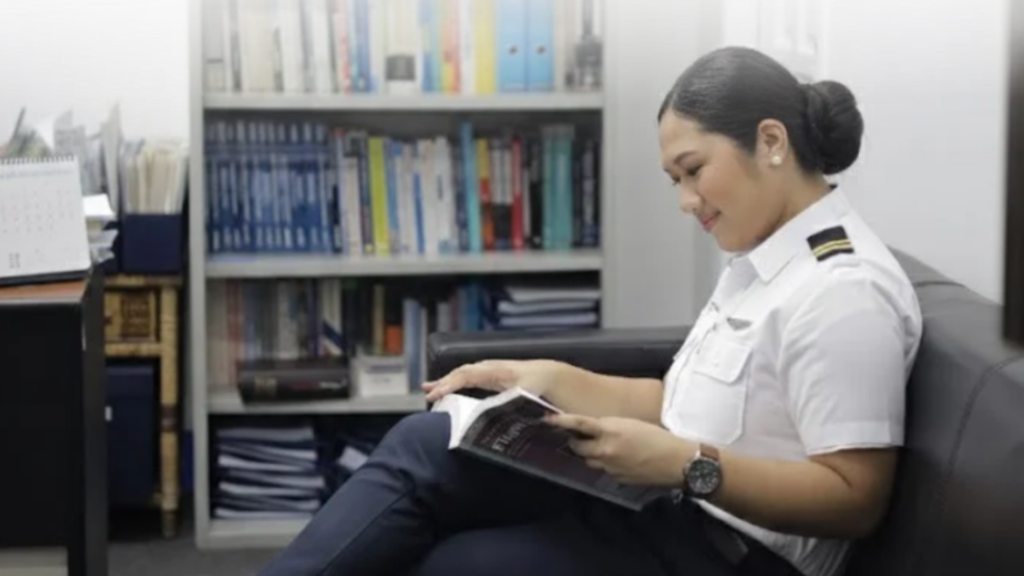
For those who dream about flying a plane for a living, becoming a student pilot is a huge deal. After all, attending flight school is a necessary step in their aviation journey because they get to learn about the ins and outs of the aviation industry, as well as develop the skills needed to become a successful pilot. However, as enticing and exciting as going to flight school may be, student pilots face countless challenges that will test their determination to finish the course.
One of the biggest obstacles many student pilots struggle with is balancing their academic duties with their flight training responsibilities. The commitment to both classroom learning and hands-on flying can feel overwhelming at times due to their stark differences.
In ground school, students will take theoretical classes where they learn about flight aerodynamics, navigation, and meteorology regulations. During their flight training sessions, students will experience real-world flying situations and be taught how to operate the aircraft, perform various maneuvers, and handle emergency situations. As such, student pilots may have difficulty navigating their intensive schedules, focusing on their duties, and managing their time.
Fortunately, student pilots can take several proactive steps to effectively juggle their academics and flight training. Here are some strategies that can help.
Develop a Comprehensive Schedule
A well-structured schedule is the foundation of effective time management. With an organized schedule, students can rest assured that their academic commitments and flight training sessions aren’t overlooked. To create a comprehensive schedule, students need to identify which of their tasks are high-priority and which are not. This way, they can rank their responsibilities from most to least urgent and allocate their time and energy to activities that contribute most significantly to their growth as a student pilot.
Apart from prioritizing their studies and flight training, student pilots should also allot time for rest in their weekly schedules. When students allow themselves to take breaks and focus on self-care, they can improve their mental and physical health, which can positively impact their performance in both academic studies and flight training.
Utilize Effective Time Management Techniques and Apps
Time management techniques can greatly enhance a student pilot’s productivity. With many strategies to choose from, students can adopt methods that resonate with them to maximize their study and practice sessions.
Techniques such as working in focused intervals followed by short breaks can help maintain concentration, while prioritization methods like the 80/20 rule can help students focus on tasks that yield the greatest results. Student pilots can also use productivity apps to track tasks, manage schedules, and monitor time spent on activities. These tools help them stay organized, focused, and on track with their responsibilities.
Set Realistic Goals
Every student pilot wants to graduate from flight school with flying colors, but excessive enthusiasm can lead to unrealistic expectations. Striving for perfection in every flight session or examination can be difficult to achieve, and failing to meet such goals may reduce motivation.
Student pilots should instead establish achievable goals for both their academic studies and flight training. This helps prevent burnout caused by overloading themselves and reduces the pressure associated with perfectionism. By focusing on attainable milestones, they can maintain steady progress without feeling overwhelmed.
Maintain Open Communication
Student pilots should communicate openly with both their academic and flight training instructors. Maintaining clear communication ensures that instructors understand their needs and can offer flexibility when necessary.
Instructors may also provide valuable advice and guidance to help students better manage their dual responsibilities, ensuring that neither academics nor flight training is compromised.
Seek Peer Support
Connecting with fellow student pilots who are balancing academics and flight training can be highly beneficial. Sharing experiences, challenges, and strategies helps build a support network that encourages motivation and accountability. Through peer support, student pilots can gain valuable insights, stay focused on their goals, and develop a stronger sense of camaraderie throughout their flight school journey.
With student pilots required to complete both classroom instruction and hands-on flight training to earn their wings, managing these responsibilities can be challenging. However, by applying these strategies, student pilots can navigate flight school with greater determination and excel in both their academic classes and flight training sessions.